
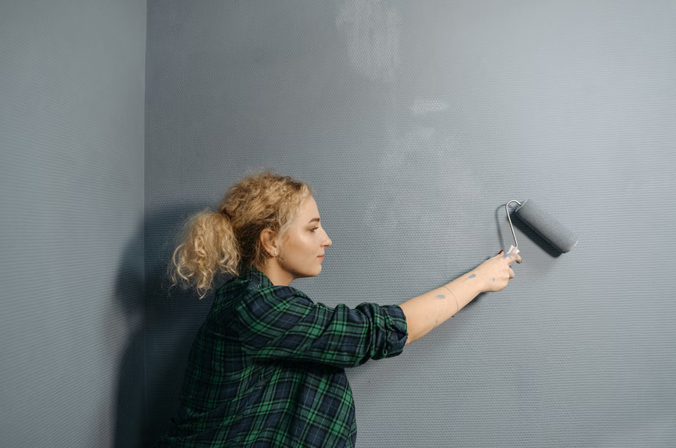
Paint failure can occur even when a surface looks clean, smooth, and ready for coating. Visible preparation usually focuses on removing loose material, sanding rough areas, and eliminating obvious dirt. However, surfaces can contain invisible contaminants, residual moisture, or traces of substances that interfere with adhesion. Grease, cleaning product residue, and fine dust may remain after routine preparation, creating a barrier between the coating and the underlying material. Paint may initially appear to cover the surface evenly, yet gradually peel, blister, or separate as the bond weakens. The apparent quality of preparation therefore does not always reflect the surface’s actual condition.
Why Adhesion Depends on More Than Cleanliness
Paint adheres through a combination of physical contact and interactions between the coating and the material beneath it. The surface must provide conditions that let the paint spread, settle, and form a stable film. Excessively smooth surfaces can limit mechanical grip, while porous materials may absorb paint unevenly. Existing coatings can introduce further complications if they have become brittle, chalky, or poorly attached to the substrate. Even when a surface appears clean, its texture and structural condition may prevent the new layer from bonding effectively. Different materials also require different preparation methods, so a technique that works for bare timber may not produce the same result on metal, plaster, or previously painted walls.
How Moisture Can Undermine a Fresh Coating
 Moisture commonly causes paint failure because it can interfere with adhesion and affect the material beneath the coating. A wall may feel dry on the surface while retaining moisture deeper inside, especially after water exposure or during high humidity. As moisture moves toward the surface, it can push against the paint film, contribute to blistering, or encourage salts to accumulate as water evaporates. On timber, moisture-content changes can cause expansion and contraction, stressing the coating. These processes can develop gradually, so a freshly painted area may look satisfactory before visible defects appear days or months later.
Why Environmental Conditions Matter During Application
The conditions present during painting influence how a coating dries and develops its final properties. Temperature, humidity, airflow, and direct sunlight can affect how quickly water or solvents evaporate. If paint dries too quickly, it may not spread or level as intended. If drying is too slow, the coating can remain vulnerable to dust, moisture, or accidental contact for longer than expected. Applying paint outside the manufacturer’s recommended temperature range can also interfere with film formation and adhesion. A surface may be adequately prepared, but unsuitable application conditions can still produce an uneven finish, weak bonding, or premature deterioration.
How Product Compatibility Affects Paint Performance
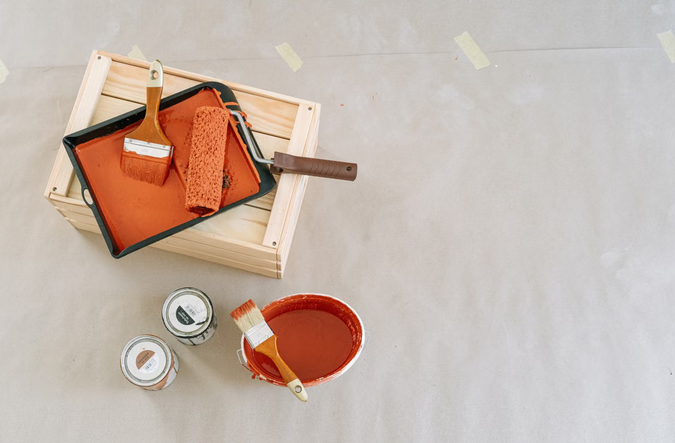
A successful coating depends on compatibility between the paint, primer, existing finish, and underlying material. Some paints require a particular primer to create a reliable bond or prevent substances in the substrate from affecting the finish. Applying an incompatible product over an existing coating can result in wrinkling, softening, poor adhesion, or other defects. Problems can also occur when you apply a new layer before an earlier coat has cured sufficiently. Although the surface may look ready for the next stage, the material underneath may still be undergoing chemical or physical changes. Product instructions and curing requirements therefore influence the durability of the completed paint system.
Paint can fail despite apparently thorough surface preparation because successful coating depends on several interacting factors. Hidden contamination, unsuitable surface texture, trapped moisture, environmental conditions, and product incompatibility can all weaken adhesion or disrupt film formation. These problems may remain invisible during application and become noticeable only after the coating dries or conditions change. Understanding paint failure requires looking beyond the surface’s visible cleanliness to consider the condition of the underlying material, the coating’s behavior, and the environment in which the work takes place.